Buy game-fun-real.eu ?
We are moving the project
game-fun-real.eu .
Are you interested in purchasing the domain
game-fun-real.eu ?
domain@kv-gmbh.de · 0541-91531010
Buy game-fun-real.eu ?
What is the connection between brain function and cognitive decline?
Brain function and cognitive decline are closely connected, as cognitive decline often results from changes in brain function. As we age, the brain undergoes natural changes, such as a decrease in the production of neurotransmitters and the formation of plaques and tangles. These changes can lead to a decline in cognitive abilities, such as memory, attention, and problem-solving skills. Additionally, certain conditions, such as Alzheimer's disease and other forms of dementia, can also cause significant cognitive decline by affecting brain function. Therefore, maintaining good brain function through activities like exercise, healthy eating, and mental stimulation can help reduce the risk of cognitive decline. **
What is the reason for cognitive and intellectual decline without apparent cause?
Cognitive and intellectual decline without an apparent cause can be attributed to various factors such as aging, neurodegenerative diseases like Alzheimer's, vascular dementia, or other medical conditions affecting the brain. It can also be influenced by lifestyle factors such as poor diet, lack of physical activity, chronic stress, and inadequate mental stimulation. Additionally, genetic predisposition, environmental toxins, and certain medications can also contribute to cognitive decline. It is important to consult a healthcare professional for a proper evaluation and diagnosis if experiencing unexplained cognitive decline. **

Similar search terms for Cognitive decline
Top-Angebote
Products related to Cognitive decline:
-
Exigo Olympic Decline BenchThe Exigo Olympic Decline Bench perfect for a variety of decline exercises This bench included padded rollers for leg support and provides placement for a spotter to ensure prime workout positioning and safety. Finished with durable upholstery to ensure maximum comfort and protection while you...1554,00 £*Shipping: 0,00 £Secure redirect to the provider
-
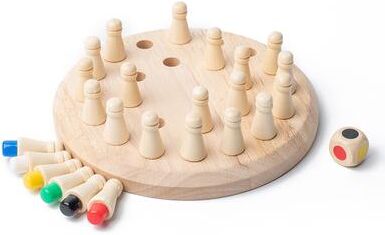
Inspired Living Montessori Color Match Stick Chess Board Game For Kids Wooden Memory Matching Game & Cognitive Learning Puzzle Montessori Color Match Stick Chess Board Game For Kids Wooden Memory Matching Game & Cognitive Learning PuzzleSpark curiosity and confidence through play with this beautifully crafted Montessori toy designed to strengthen memory, focus, and color recognition. Made for toddlers and young children, this handson learning game transforms everyday playtime into...23,97 $*Shipping: 0,00 $Secure redirect to the provider
-
Exigo ISO Decline Chest PressThe Exigo ISO Decline Chest Press gives you a steady, reliable way to focus on the lower chest. The movement follows a natural downward arc, helping to isolate the lower pecs while still feeling smooth and controlled. Each arm moves on its own, which lets you train evenly or focus on one side if...2634,00 £*Shipping: 0,00 £Secure redirect to the provider
-
Smart Shopping Spot Wooden Memory Match Stick Chess Game Cognitive Learning Puzzle For Children & Adults Montessori Educational Toy Wooden Memory Match Stick Chess Game Cognitive Learning Puzzle For Children & Adults Montessori Educational ToyThis Wooden Memory Match Stick Chess Game is a perfect blend of fun and learning, designed for players of all ages. Whether you're looking to enhance a child's cognitive abilities or support elderly memory retention, this game offers a versatile and...34,97 $*Shipping: 0,00 $Secure redirect to the provider



-
What does cognitive mean?
Cognitive refers to the mental processes and activities related to thinking, learning, and understanding. It involves the ability to perceive, process, and retain information, as well as the capacity for problem-solving, decision-making, and reasoning. Cognitive processes also encompass memory, attention, language, and perception, and play a crucial role in shaping human behavior and experiences. **
-
What is cognitive perception?
Cognitive perception refers to the process by which individuals interpret and make sense of sensory information from their environment. It involves the mental processes of attention, memory, and reasoning to understand and interpret the world around us. Cognitive perception is influenced by factors such as past experiences, beliefs, and expectations, which can shape how we perceive and interpret sensory input. This process is essential for understanding and interacting with the world, as it allows us to make sense of the information we receive through our senses. **
-
What is cognitive competence?
Cognitive competence refers to an individual's ability to effectively process and understand information, solve problems, make decisions, and learn new things. It involves various cognitive skills such as memory, attention, language, reasoning, and executive functions. Cognitive competence is essential for functioning well in daily life, adapting to new situations, and achieving success in academic and professional settings. It can be developed and improved through education, practice, and cognitive training. **
-
What are cognitive changes?
Cognitive changes refer to alterations in a person's mental processes, such as thinking, memory, perception, and problem-solving abilities. These changes can occur due to various factors, including aging, neurological conditions, or brain injuries. Cognitive changes can impact a person's daily functioning and may require interventions such as therapy, medication, or lifestyle modifications to manage effectively. It is essential to monitor and address cognitive changes promptly to maintain overall cognitive health and quality of life. **

What is cognitive dissonance?
Cognitive dissonance is a psychological term that refers to the discomfort or mental stress that arises from holding contradictory beliefs, attitudes, or behaviors. When individuals experience cognitive dissonance, they may feel tension and a sense of unease as they try to reconcile conflicting thoughts or actions. This can lead to efforts to reduce the dissonance by changing beliefs, justifying behaviors, or avoiding information that challenges their existing beliefs. Cognitive dissonance theory suggests that individuals are motivated to seek consistency and harmony in their thoughts and actions. **
What is cognitive flexibility?
Cognitive flexibility refers to the ability to adapt and shift one's thinking or approach in response to changing situations or demands. It involves being able to switch between different tasks, perspectives, or strategies effectively. Individuals with high cognitive flexibility are better equipped to problem-solve, learn new information, and navigate complex situations. This skill is important for success in various aspects of life, including work, relationships, and personal growth. **
Top-Angebote
Products related to Cognitive decline:
-
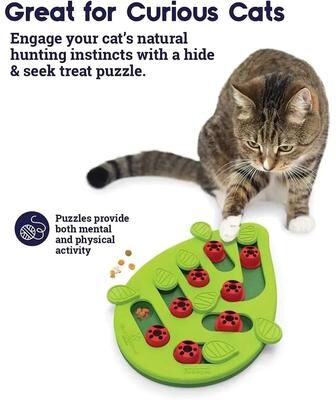
Uplifted Finds Cognitive Challenge Interactive Puzzle Station Cognitive Challenge Interactive Puzzle StationTransform mealtime into a stimulating mental workout with the CognitiveChallenge Puzzle Station, a highutility enrichment module engineered with progressivedifficulty logic. This professionalgrade feeder features a multichambered architecture that...119,97 $*Shipping: 0,00 $Secure redirect to the provider
-
HarperOne The 30-Day Alzheimer's Solution: The Definitive Food and Lifestyle Guide to Preventing Cognitive Decline ― A WSJ Bestselling Neurologist-Led CookbookThe 30-Day Alzheimer's Solution: The Definitive Food and Lifestyle Guide to Preventing Cognitive Decline A WSJ Bestselling Neurologist-Led Cookbook The most scientifically rigorous, results-driven cookbook and nutrition program on the planet, featuring over 75 plant-based recipes designed specifically to prevent Alzheimer's disease, and protect and enhance your amazing brain. Awarding-winning neurologists Dean Sherzai, MD and Ayesha Sherzai, MD have spent decades studying neuro-degenerative disease as Co-Directors of the Alzheimer's Prevention Program at Loma Linda University Hospital. Together, they created a targeted nutrition program with one goal in mind: to prevent Alzheimer's disease, dementia, and cognitive decline in their patients. The results have been astounding. It starts by implementing their "Neuro Nine" foods into your diet every single day, incorporating them into 75+ easy and delicious recipes, such as: shiitake chickpea bulgur bowl cortical cauliflower with walnut sauce omega muffins plantastic neuroplastic meatballs In just thirty days, with the help of The 30-Day Alzheimer's Solution, you can boost the power of your brain, protect it from illness, and jumpstart total body health, including weight loss and improved sensory ability and mobility. The 30-Day Alzheimer's Solutionis the first action-oriented cookbook for preventing Alzheimer's disease and delivering results like improved mental agility, short- and long-term memory, sharpness, and attention. Let this be the first 30 days of the rest of your life.7,99 £*Shipping: 2,99 £Secure redirect to the provider
-
Exigo Olympic Decline BenchThe Exigo Olympic Decline Bench perfect for a variety of decline exercises This bench included padded rollers for leg support and provides placement for a spotter to ensure prime workout positioning and safety. Finished with durable upholstery to ensure maximum comfort and protection while you...1554,00 £*Shipping: 0,00 £Secure redirect to the provider
-
Inspired Living Montessori Color Match Stick Chess Board Game For Kids Wooden Memory Matching Game & Cognitive Learning Puzzle Montessori Color Match Stick Chess Board Game For Kids Wooden Memory Matching Game & Cognitive Learning PuzzleSpark curiosity and confidence through play with this beautifully crafted Montessori toy designed to strengthen memory, focus, and color recognition. Made for toddlers and young children, this handson learning game transforms everyday playtime into...23,97 $*Shipping: 0,00 $Secure redirect to the provider
-
What is the connection between brain function and cognitive decline?
Brain function and cognitive decline are closely connected, as cognitive decline often results from changes in brain function. As we age, the brain undergoes natural changes, such as a decrease in the production of neurotransmitters and the formation of plaques and tangles. These changes can lead to a decline in cognitive abilities, such as memory, attention, and problem-solving skills. Additionally, certain conditions, such as Alzheimer's disease and other forms of dementia, can also cause significant cognitive decline by affecting brain function. Therefore, maintaining good brain function through activities like exercise, healthy eating, and mental stimulation can help reduce the risk of cognitive decline. **
-
What is the reason for cognitive and intellectual decline without apparent cause?
Cognitive and intellectual decline without an apparent cause can be attributed to various factors such as aging, neurodegenerative diseases like Alzheimer's, vascular dementia, or other medical conditions affecting the brain. It can also be influenced by lifestyle factors such as poor diet, lack of physical activity, chronic stress, and inadequate mental stimulation. Additionally, genetic predisposition, environmental toxins, and certain medications can also contribute to cognitive decline. It is important to consult a healthcare professional for a proper evaluation and diagnosis if experiencing unexplained cognitive decline. **
-
What does cognitive mean?
Cognitive refers to the mental processes and activities related to thinking, learning, and understanding. It involves the ability to perceive, process, and retain information, as well as the capacity for problem-solving, decision-making, and reasoning. Cognitive processes also encompass memory, attention, language, and perception, and play a crucial role in shaping human behavior and experiences. **
-
What is cognitive perception?
Cognitive perception refers to the process by which individuals interpret and make sense of sensory information from their environment. It involves the mental processes of attention, memory, and reasoning to understand and interpret the world around us. Cognitive perception is influenced by factors such as past experiences, beliefs, and expectations, which can shape how we perceive and interpret sensory input. This process is essential for understanding and interacting with the world, as it allows us to make sense of the information we receive through our senses. **
Similar search terms for Cognitive decline
-
Exigo ISO Decline Chest PressThe Exigo ISO Decline Chest Press gives you a steady, reliable way to focus on the lower chest. The movement follows a natural downward arc, helping to isolate the lower pecs while still feeling smooth and controlled. Each arm moves on its own, which lets you train evenly or focus on one side if...2634,00 £*Shipping: 0,00 £Secure redirect to the provider
-
Smart Shopping Spot Wooden Memory Match Stick Chess Game Cognitive Learning Puzzle For Children & Adults Montessori Educational Toy Wooden Memory Match Stick Chess Game Cognitive Learning Puzzle For Children & Adults Montessori Educational ToyThis Wooden Memory Match Stick Chess Game is a perfect blend of fun and learning, designed for players of all ages. Whether you're looking to enhance a child's cognitive abilities or support elderly memory retention, this game offers a versatile and...34,97 $*Shipping: 0,00 $Secure redirect to the provider
-
Uplift Essentials "Rotatable ""Roast & Flame"" Smart Puzzle Feeder Interactive Cognitive Training Slow Bowl Rotatable ""Roast & Flame"" Smart Puzzle Feeder Interactive Cognitive Training Slow Bowl""Turn mealtime into a brainboosting safari with our Rotatable ""Roast & Flame"" Puzzle Feeder. Designed with a unique, whimsical campfire theme, this interactive slowfeed bowl is engineered to challenge your cat's cognitive skills while managing their..."74,97 $*Shipping: 0,00 $Secure redirect to the provider
-
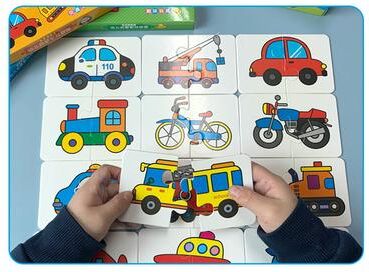
Smart Shopping Spot Educational Puzzle Toy For Kids, Matching Card Game, Baby Cognitive Fruit Animal Learning Montessori Puzzle vehicleEngage Your Childs Mind with a Fun Learning Experience The Matching Card Game for Kids is an engaging and educational puzzle designed to stimulate young minds. Featuring vibrant images of fruit and animals, this game encourages cognitive...29,97 $*Shipping: 0,00 $Secure redirect to the provider
-
What is cognitive competence?
Cognitive competence refers to an individual's ability to effectively process and understand information, solve problems, make decisions, and learn new things. It involves various cognitive skills such as memory, attention, language, reasoning, and executive functions. Cognitive competence is essential for functioning well in daily life, adapting to new situations, and achieving success in academic and professional settings. It can be developed and improved through education, practice, and cognitive training. **
-
What are cognitive changes?
Cognitive changes refer to alterations in a person's mental processes, such as thinking, memory, perception, and problem-solving abilities. These changes can occur due to various factors, including aging, neurological conditions, or brain injuries. Cognitive changes can impact a person's daily functioning and may require interventions such as therapy, medication, or lifestyle modifications to manage effectively. It is essential to monitor and address cognitive changes promptly to maintain overall cognitive health and quality of life. **
-
What is cognitive dissonance?
Cognitive dissonance is a psychological term that refers to the discomfort or mental stress that arises from holding contradictory beliefs, attitudes, or behaviors. When individuals experience cognitive dissonance, they may feel tension and a sense of unease as they try to reconcile conflicting thoughts or actions. This can lead to efforts to reduce the dissonance by changing beliefs, justifying behaviors, or avoiding information that challenges their existing beliefs. Cognitive dissonance theory suggests that individuals are motivated to seek consistency and harmony in their thoughts and actions. **
-
What is cognitive flexibility?
Cognitive flexibility refers to the ability to adapt and shift one's thinking or approach in response to changing situations or demands. It involves being able to switch between different tasks, perspectives, or strategies effectively. Individuals with high cognitive flexibility are better equipped to problem-solve, learn new information, and navigate complex situations. This skill is important for success in various aspects of life, including work, relationships, and personal growth. **
* All prices are inclusive of VAT and, if applicable, plus shipping costs. The offer information is based on the details provided by the respective shop and is updated through automated processes. Real-time updates do not occur, so deviations can occur in individual cases. ** Note: Parts of this content were created by AI.